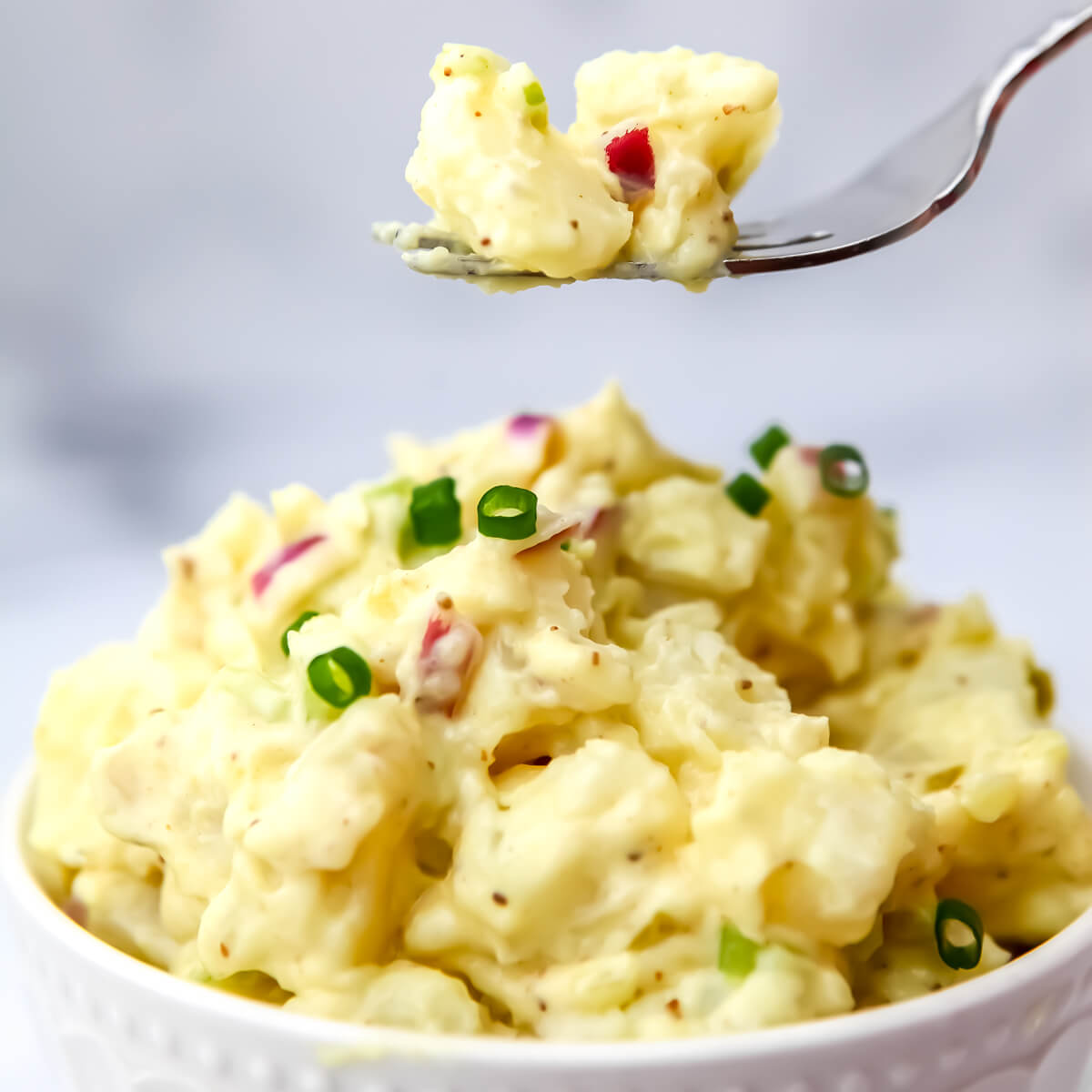
Vegan Potato Salad Secrets: From Spud Selection to Optimal Flavor
Vegan potato salad is more than just a side dish; it's a celebration of creamy textures, vibrant flavors, and wholesome plant-based goodness. Often a staple at picnics, barbecues, and family gatherings, a truly exceptional vegan potato salad has the power to impress even the most ardent traditionalists. The secret lies not in a single ingredient, but in a meticulous approach that begins with the humble potato itself and extends to the delicate melding of every element. This comprehensive guide will unlock the secrets to crafting a dairy-free potato salad that's not just "good for vegan," but undeniably delicious in its own right – a refreshing, satisfying dish perfect for any occasion.
The Foundation: Why Your Spud Choice Matters for Superior Vegan Potato Salad
The journey to an unforgettable vegan potato salad begins with a crucial decision: which potato to choose. While seemingly simple, this selection dramatically impacts the final texture and integrity of your dish. Not all spuds are created equal, and understanding their differences is key to avoiding a mushy mess and achieving that desirable firm-yet-tender consistency.
For potato salad,
waxy potato varieties are your unsung heroes. Think Yukon Gold, red bliss, or new potatoes. These varieties are characterized by their lower starch content and higher moisture, which allows them to maintain their shape beautifully even after cooking and gentle tossing in dressing. When cooked, waxy potatoes offer a naturally creamy, almost buttery texture without falling apart, ensuring each bite is satisfyingly cohesive. They don't absorb excessive amounts of dressing either, preventing your salad from becoming waterlogged or cloying.
In contrast, starchy potatoes like Russets or Idaho potatoes are a different beast. Their high starch content means they tend to break down easily when cooked, often resulting in a crumbly, mealy, or even gluey texture when mixed into a salad. They also act like sponges, soaking up too much dressing and potentially turning your carefully crafted creation into a soggy, amorphous blob.
To maximize the potential of your waxy potatoes, select ones that are uniform in size – ideally medium-sized, around 2-3 inches in diameter. This attention to detail ensures even cooking, preventing some pieces from becoming overdone while others remain stubbornly undercooked. This structural resilience is crucial when you’re aiming for a salad that’s both cohesive and visually appealing, not just a pile of seasoned mush. For more in-depth insights into potato selection, you might find our article on
Crafting the Best Vegan Potato Salad: Waxy Potatoes for Perfect Texture particularly helpful.
Mastering the Cook: Achieving Perfectly Tender Potatoes
Once you’ve selected your prime waxy potatoes, the next critical step is perfecting their cooking. This isn't just about boiling them; it's about preparing them to absorb flavor and hold their form.
1. **Preparation is Key:** Start by thoroughly washing your potatoes. For added texture, rustic charm, and a nutritional boost, we recommend keeping the skin on. Slice the potatoes into uniform, bite-sized chunks, generally 1 to 1.5 inches. Consistency in size is paramount here, as it guarantees even cooking throughout the batch.
2. **The Salty Soak:** Place your cut potatoes in a large pot and cover them with cold water. Now, add a generous amount of salt to the water. This step is often overlooked but is absolutely essential. Boiling potatoes in well-salted water seasons them from the inside out, building a foundational layer of flavor that plain water simply can't achieve.
3. **Gentle Boiling:** Bring the water to a boil, then reduce the heat to maintain a steady simmer. Cook until the potatoes are fork-tender, but *not* mushy. This typically takes 10-15 minutes, depending on the potato variety and size. Test a few pieces with a fork; it should slide in with minimal resistance, but the potato should still hold its shape firmly. Overboiling will lead to breakage, defeating the purpose of choosing waxy varieties.
4. **The Steam-Dry Secret:** Once cooked, immediately drain the potatoes in a colander. Here’s a professional tip: let them steam-dry in the colander for 2-3 minutes. This crucial step is often overlooked but is vital for preventing excess moisture from diluting your dressing and making your salad watery. The residual heat helps evaporate surface water, allowing the potatoes to better absorb flavors later.
5. **Warm Tossing for Flavor Absorption:** While the potatoes are still warm (but not hot enough to continue cooking), gently transfer them to a large mixing bowl. This is the optimal time to introduce a base layer of flavor. Drizzle with a good quality olive oil, a splash of apple cider vinegar, or a sprinkle of Dijon mustard. Warm potatoes act like sponges, greedily absorbing these initial flavors more effectively than cold ones, building a deeper, more complex taste profile for your salad.
Crafting the Creamy Heart: The Art of Vegan Dressings
The dressing is the soul of any potato salad, and for a vegan version, it needs to deliver on creaminess, tang, and depth without any dairy. The beauty of plant-based ingredients means you have a wealth of options.
1. **The Classic Vegan Mayo Base:** The most popular foundation for a creamy
creamy vegan potato salad starts with a high-quality vegan mayonnaise. Numerous excellent commercial brands are available, offering a similar texture and richness to traditional mayo. To this base, you’ll add:
*
Dijon Mustard: For a sharp, tangy kick that complements the potatoes.
*
Apple Cider Vinegar: A splash of ACV is crucial for brightness, cutting through the richness of the mayo and adding a vital tangy dimension.
*
Garlic Powder: A pinch adds a subtle warmth and umami depth without the raw bite of fresh garlic.
*
Salt and Black Pepper: Essential for seasoning and bringing all the flavors into harmony. Taste and adjust as needed.
2. **Innovative Dairy-Free Alternatives:** Don't limit yourself to store-bought vegan mayo. The world of plant-based cuisine offers incredible alternatives for creaminess:
*
Mashed Avocado: For an incredibly simple, whole-food, and oil-free option, mashed avocado is a revelation. Just scoop out the flesh of ripe avocados, mash with a fork, and mix with lemon juice, a touch of Dijon, paprika, fresh dill, and salt. Its natural richness provides an unparalleled creaminess that many prefer over mayo.
*
Cashew-Based Dressing: Soaked raw cashews, blended with water, lemon juice, nutritional yeast (for a cheesy tang), and spices, create a luxuriously creamy and nutritious dressing.
*
Tofu-Based Dressing: Silken tofu can be blended into a light, protein-rich, and creamy dressing, often with added mustard, vinegar, and herbs.
When preparing your dressing, always whisk all ingredients thoroughly in a separate bowl before combining with the potatoes. This ensures an even distribution of flavors. Importantly, taste your dressing and adjust the seasoning (salt, pepper, tanginess from vinegar/mustard) *before* it touches the potatoes. This allows you to fine-tune the flavor profile to your preference.
The Flavor Architects: Incorporating Crunch, Freshness, and Zest
A truly memorable vegan potato salad isn't just about creamy potatoes; it's about a dynamic interplay of textures and flavors. This is where fresh vegetables and herbs come into play, providing crucial crunch, brightness, and aromatic depth.
1. **Crisp Vegetables for Texture:**
*
Celery: Non-negotiable! Celery provides that essential, refreshing crunch and a subtle, slightly bitter note that beautifully contrasts the creamy potatoes.
*
Red Onion: Adds a sharp, pungent bite and a vibrant pop of color. For a milder flavor, you can finely mince the red onion and soak it in cold water for 10-15 minutes before draining.
*
Dill Pickles or Relish: These bring a wonderful tangy, briny depth and an extra layer of texture. Choose finely chopped dill pickles or a good quality dill relish for the best results.
*
Other Ideas: Consider adding finely diced bell peppers (red or yellow for sweetness and color), thinly sliced radishes for a peppery bite, or even capers for a salty, briny burst.
2. **Fresh Herbs for Brightness:** Herbs elevate your potato salad from good to extraordinary, injecting a burst of freshness and aroma.
*
Fresh Dill: The quintessential herb for potato salad, offering a bright, anisy, and herbaceous note that pairs perfectly with potatoes and creamy dressings.
*
Fresh Parsley: A versatile choice, providing a clean, fresh, and slightly peppery flavor.
*
Chives: Offer a mild, delicate onion flavor without being overpowering.
*
Tip: Add fresh herbs towards the end of your mixing process, or even just before serving, to preserve their vibrant color and fresh aroma.
3. **Optional Flavor Boosters:**
*
Smoked Paprika: A pinch can add a wonderful, subtle smoky depth.
*
Turmeric: A tiny bit can enhance the yellow color of your salad and add a faint earthy warmth.
*
Nutritional Yeast: If you desire a slightly cheesier flavor, a tablespoon can be mixed into the dressing.
Once your potatoes are prepped and your dressing is ready, gently combine all ingredients in a large bowl. Use a spatula or large spoon and mix with a light hand to avoid breaking up the delicate potato chunks. The goal is to coat everything evenly without turning it into mashed potatoes.
The Waiting Game: Why Chilling is Non-Negotiable
You've meticulously selected your spuds, cooked them to perfection, crafted a sublime dressing, and artfully folded in your chosen mix-ins. The final, and arguably most crucial, step is the waiting game. While it might be tempting to dig in immediately, resist the urge.
Chilling your vegan potato salad for at least 2-4 hours, or ideally overnight, is non-negotiable. This period allows the flavors to meld and deepen. As the salad chills, the potatoes continue to absorb the nuances of the dressing, the acidity from the vinegar mellows slightly, and the herbaceous notes from the fresh dill or parsley infuse throughout the dish. The overall taste becomes more harmonious, rounded, and significantly more flavorful than when first mixed. Furthermore, chilling also helps the salad firm up slightly, enhancing its overall texture and making it even more refreshing to eat.
Store your finished vegan potato salad in an airtight container in the refrigerator. It typically stays fresh and delicious for 3-5 days, making it an excellent make-ahead option for meal prep or upcoming gatherings.
Conclusion
Crafting the perfect vegan potato salad is a delightful culinary journey, transforming simple ingredients into a dish that’s rich in flavor, satisfying in texture, and entirely plant-based. By focusing on smart potato selection, precise cooking techniques, a thoughtfully crafted dairy-free dressing, and the strategic inclusion of fresh, vibrant add-ins, you can elevate this classic comfort food to new heights. Follow these secrets, and you’ll consistently create a refreshing, crave-worthy vegan potato salad that will be the star of any picnic, potluck, or meal, leaving everyone wondering about your secret to such optimal flavor.